

The proper classification and measurement of liabilities are thus paramount to accurate valuation. A liability is distinguished from an equity instrument by its mandatory nature. Equity represents a residual interest in the assets after deducting all liabilities, and repayment to owners is always discretionary. The obligation to repay a bank loan, conversely, is fixed and legally enforceable under the terms of the debt covenant.

Meaning and Nature of Liabilities:
A liability is a responsibility that comes from something that happened before. It usually means that someone will need to CARES Act pay money for something later. This responsibility can come from different places, like contracts, laws, rules, or even informal deals. Explore the ins and outs of business finances, like KPIs, financial risks, and sales numbers in this free job simulation from Citi.
Understanding Contingent Liabilities

Here are a few quick summaries to answer some of the frequently asked questions about liabilities in accounting. Liabilities and equity are listed on the right side or bottom half of a balance sheet. Pho my Life Noodle Shop (PML) has the liabilities in accounting following liabilities on its balance sheet.
Financial Cents Helps You Manage Liability Tasks Across Clients
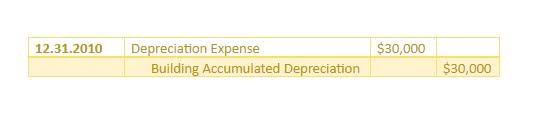
Upon satisfying performance obligations, contract assets convert to accounts receivable, and contract liabilities are reduced as revenue is recognized. In addition, contingent liabilities can affect the income statement if they result in a loss. For example, if a company is involved in a lawsuit and the outcome is unfavorable, it may have to pay damages. This would result in a loss that would be reflected in the income statement.
Credit Card Debt
- Similarly, the knowledge of a contingent liability can influence the decision of creditors considering lending capital to a company.
- If a company has a contingent liability that becomes an actual liability, it may have difficulty repaying its loans.
- Liabilities refer to short-term and long-term obligations of a company.
- In other words, when a bond is issued at a premium, the premium is a gain for the company because it will only need to repay the nominal value.
- Both generally accepted accounting principles (GAAP) and International Financial Reporting Standards (IFRS) require companies to record contingent liabilities.
Owner’s funds/Capital/Equity – Last among types of liabilities is the amount owed to proprietors as capital, it is also called owner’s equity or equity. Non-Current liabilities are the obligations of a company that are supposed to be paid or settled on a long-term basis, generally more than a year. It is possible to have a negative liability, which arises when a company pays more than the amount of a liability, thereby theoretically creating an asset in the amount of the overpayment. Define liabilities, learn how they are measured and classified, and understand their crucial role in Bookkeeping for Startups assessing business solvency and financial risk. A simple guide to accounting, recordkeeping, and taxes for property management businesses.

The current/short-term liabilities are separated from long-term/non-current liabilities. Liabilities are a vital aspect of a company because they’re used to finance operations and pay for large expansions. They can also make transactions between businesses more efficient.